For many businesses, a website is the first interaction a potential customer has with the brand. Within seconds, visitors decide whether they trust your business or move on to a competitor.
This is why website design & development is far more than simply creating a visually attractive website. A well-designed website should guide visitors, communicate value clearly, and encourage them to take action.
For UK businesses—especially small and medium-sized companies—your website can either become your most powerful lead generation asset or simply an online brochure that gets ignored.
In this guide, we’ll explore how effective website design and development works, what makes a website convert visitors into leads, and how businesses can use their website as a growth engine.
What Website Design & Development Actually Means
Many people assume website design is only about colours, fonts, and layouts. While design is important, website design & development involves both the visual experience and the technical foundation of a website.
Website design focuses on:
- User experience (UX)
- Visual layout and branding
- Navigation and structure
- Content presentation
Website development focuses on:
- Coding and functionality
- Performance and speed
- Security
- Integrations (CRM, analytics, marketing tools)
When design and development work together properly, the result is a website that is not only attractive but also fast, functional, and built to support business goals.
A professionally developed website ensures visitors can quickly understand what your business offers and how they can take the next step.
Why Website Design & Development Matters for Business Growth
Your website often plays the role of a 24/7 salesperson. Unlike traditional marketing channels, it works continuously to attract, educate, and convert visitors.\
When done properly, a website can:
- Generate consistent inbound leads
- Build credibility and trust
- Showcase services effectively
- Educate potential clients
- Support marketing campaigns
However, many business websites fail to achieve these outcomes because they are not built with growth in mind.
Common problems include:
- Slow loading speed
- Confusing navigation
- Poor mobile experience
- Lack of clear calls-to-action
- Outdated design
In today’s competitive digital landscape, visitors expect a smooth and professional experience. If your website feels outdated or difficult to use, users will simply leave.
This is why businesses that invest in high-quality website design and development tend to see significantly better results from their online presence.
Key Elements of a High-Converting Website
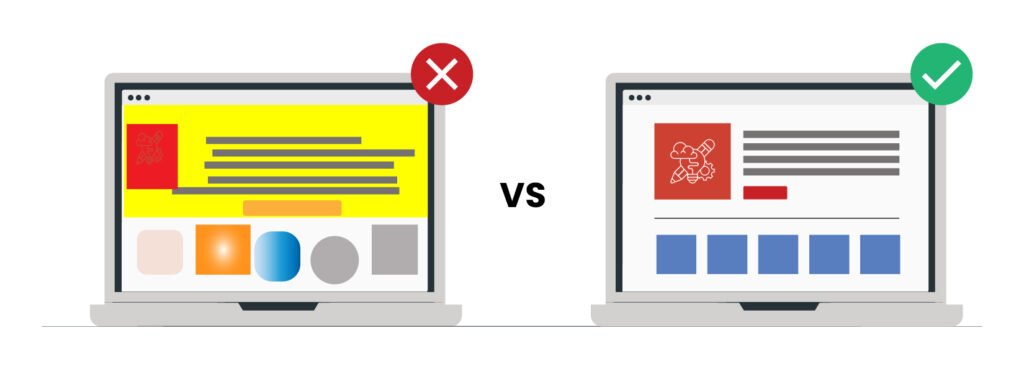
A well-designed website should do more than present information—it should guide visitors toward becoming customers.
Here are the core elements that make a website effective.
1. Clear Value Proposition
Visitors should instantly understand:
- What your business does
- Who your services are for
- Why they should choose you
Your headline and hero section play a critical role in communicating this clearly.
2. Simple Navigation
Confusing menus frustrate users and increase bounce rates.
Good navigation should:
- Be simple and logical
- Be simple and logical
- Help users find information quickly
3. Mobile-Friendly Design
More than half of website traffic now comes from mobile devices.
A responsive website ensures:
- Fast loading on mobile
- Easy readability
- Smooth navigation on smaller screens
4. Strong Calls-To-Action
Every page should guide users toward a specific action, such as:
- Booking a consultation
- Requesting a quote
- Filling out a contact form
- Downloading a resource
Without clear calls-to-action, visitors often leave without taking the next step.
5. Speed and Performance
Even a one-second delay in page load time can reduce conversions significantly.
Optimised development ensures:
- Fast page speed
- Efficient code
- Optimised images
- Reliable hosting
Common Website Design Mistakes Businesses Make
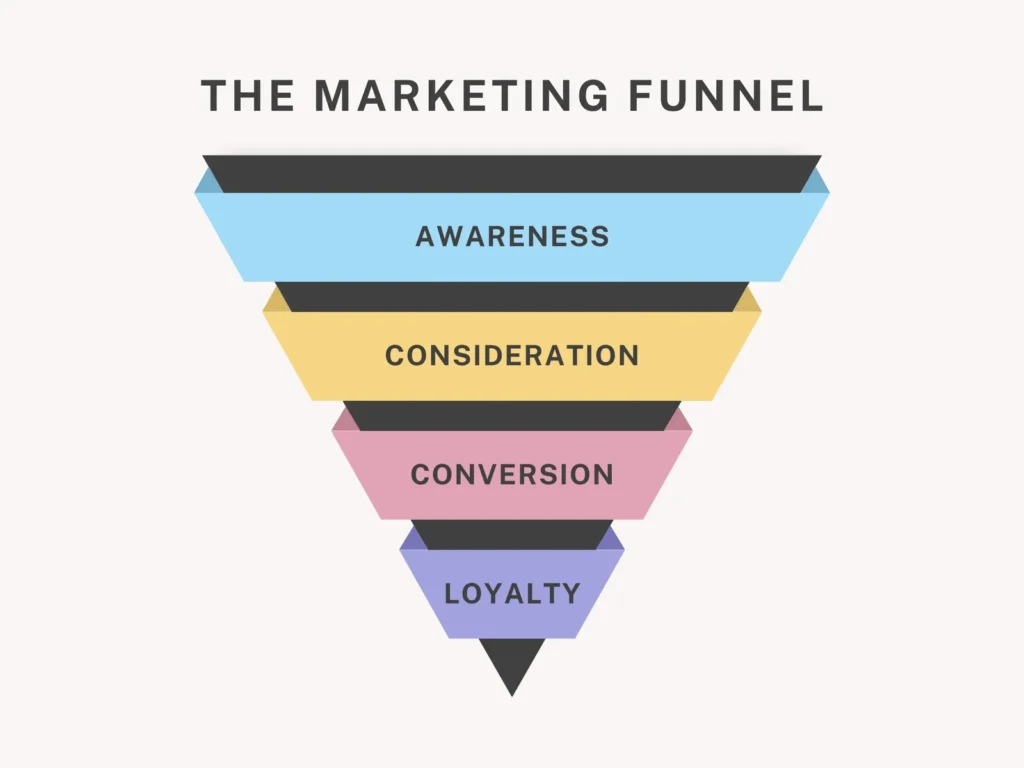
Despite the importance of websites, many businesses unintentionally make mistakes that reduce their effectiveness.
1. Designing Only for Aesthetics
A beautiful website without strategy rarely performs well. Design should always support usability and conversions.
2. Ignoring User Experience
Visitors should never have to “figure out” how to use your website. If information is difficult to find, users will leave quickly.
3. Lack of Clear Messaging
If your website does not clearly explain what your business offers within a few seconds, potential customers may lose interest.
4. Poor Mobile Optimisation
Many older websites were built primarily for desktop users, which creates frustration for mobile visitors.
5. No Lead Capture System
Some websites provide information but do not actively encourage visitors to become leads.
Examples of lead capture elements include:
- Contact forms
- Quote request forms
- Newsletter signups
- Consultation booking
Without these, a website misses valuable opportunities.
How Businesses Can Use Their Website as a Lead Generation Tool
A high-performing website acts as a central hub for digital growth.
Here are practical ways businesses can use their website to generate more leads.
Create Service-Focused Pages
Each core service should have its own dedicated page explaining:
- What the service includes
- Who it is for
- The benefits for the customer
- How to get started
This structure also improves search engine visibility.
Add Strategic Calls-To-Action
Encourage visitors to take the next step by placing CTAs throughout the website.
Examples include:
- “Request a Free Quote”
- “Book a Consultation”
- “Speak to Our Team”
Build Trust Through Social Proof
Visitors are more likely to convert when they see evidence that your business delivers results.
Trust signals include:
- Testimonials
- Case studies
- Client logos
- Reviews
Optimise for Search Engines
SEO-friendly website development helps businesses attract organic traffic from search engines.
Important SEO elements include:
- Fast page speed
- Structured content
- Keyword optimisation
- Mobile responsiveness
WebGT Insight: Building Websites That Turn Visitors Into Leads
Many businesses invest in a website but still struggle to generate leads from it.
The difference usually lies in how the website is designed and developed.
At WebGT, the focus is not just on building attractive websites—it’s about creating growth-focused digital platforms.
Every website is designed with a clear objective:
Turn website visitors into qualified leads.
This is achieved through:
- Conversion-focused layouts
- Strategic call-to-action placement
- Fast and scalable website development
- SEO-friendly structure
- User-focused design
Instead of simply creating a website that looks good, WebGT helps businesses build websites that actively support sales and marketing efforts.
Conclusion
In today’s digital environment, your website is one of the most important assets your business owns.
Professional website design & development ensures your website:
- Creates a strong first impression
- Builds trust with visitors
- Provides a seamless user experience
- Supports marketing efforts
- Generates consistent leads
Businesses that treat their website as a strategic growth tool often see significantly better results compared to those that view it as just an online presence.
Investing in the right website strategy can transform how your business attracts and converts potential customers.
Ready to Build a Website That Generates Leads?
If your current website isn’t bringing in consistent enquiries, it may be time for a better approach.
At WebGT, we design and develop high-converting websites built for growth—not just aesthetics.
Our goal is simple:
Create websites that turn visitors into leads.
If you’re ready to build a website that actually supports your business growth, WebGT can help you make it happen.
